
Is 2-10 Home Buyers Warranty Worth It? A Closer Look at Coverage and Costs
Explore this 2-10 Home Buyers Warranty review covering plans, costs, coverage limits, and key considerations to help determine whether a home warranty is worth it.

Owning a home comes with a long list of responsibilities, but some of the most expensive problems are the ones you never see coming. An air conditioning system stops working in the middle of summer, a water heater fails unexpectedly, or a major appliance suddenly refuses to turn on. These situations can quickly turn into expensive repair decisions.
That uncertainty is why many homeowners consider a home warranty. 2-10 Home Buyers Warranty is one company offering plans designed to help with eligible breakdowns involving home systems and appliances caused by normal wear and tear. But is the coverage worth paying for every month?
The answer depends on your home, budget, and expectations. Understanding what 2-10 covers—and just as importantly, what it does not cover—is essential before signing up.
What Is 2-10 Home Buyers Warranty?
2-10 Home Buyers Warranty provides home warranty service contracts for homeowners. Unlike homeowners insurance, which generally protects against unexpected events such as fire, theft, or certain weather-related damage, a home warranty focuses on eligible breakdowns involving systems and appliances that occur through normal use and wear and tear.
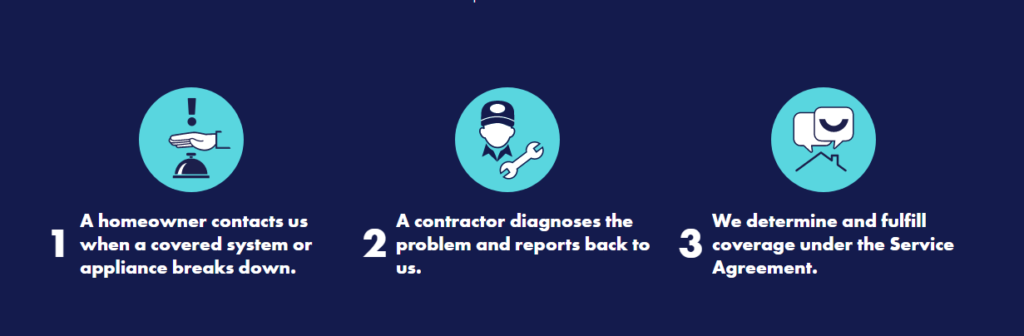
When a covered item breaks down, the homeowner submits a service request and pays the applicable service fee. 2-10 then sends an independent service professional to diagnose the problem. Coverage decisions are made according to the terms of the selected service agreement, and eligible repairs or replacements are handled within the plan’s limits.
The important word here is eligible. A home warranty is not a blank check for every repair your home may need.
What Does 2-10 Cover?
2-10 currently offers two main homeowner plans: Systems and Pinnacle.
The Systems plan focuses on parts of major home systems, including heating and air conditioning, electrical systems, plumbing systems, and related covered components. According to 2-10, it covers parts of 19 major systems.
The Pinnacle plan provides broader protection by including covered home systems along with kitchen and laundry appliances. The company states that this plan covers parts of up to 28 major systems and appliances, including items such as refrigerators, ranges, ovens, cooktops, dishwashers, washers, and dryers.
For homeowners who are mainly concerned about HVAC, plumbing, and electrical systems, the Systems plan may be enough. Those who want broader protection for appliances may find the Pinnacle plan more relevant.
How Much Does 2-10 Home Buyers Warranty Cost?
Based on the current pricing displayed on 2-10’s website, the Systems plan starts at $39.99 per month, while the Pinnacle plan starts at $59.99 per month. Pricing, availability, and promotional discounts can change, so it is worth checking the latest quote for your location before purchasing.
Monthly pricing, however, is not the only cost homeowners should consider.
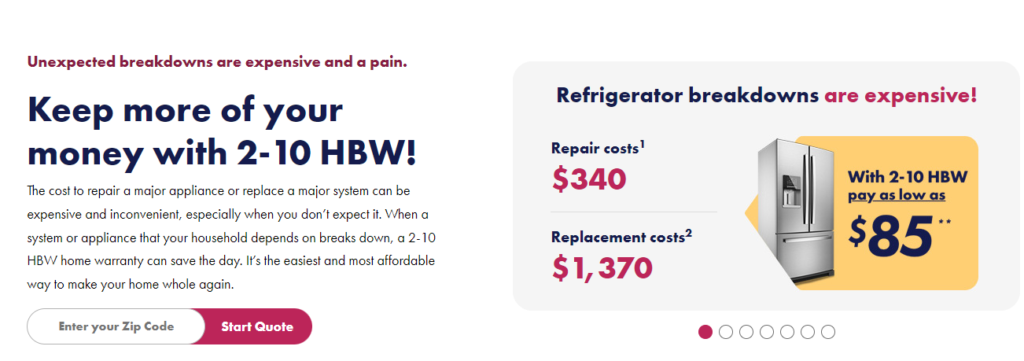
When submitting a service request for a covered breakdown, customers are also required to pay a service fee. The exact amount and applicable terms should be confirmed in the plan agreement.
This is an important part of evaluating whether a home warranty makes financial sense. The annual premium plus any service fees should be weighed against the potential cost of repairs you may realistically face.
Coverage Limits Matter
One of the easiest mistakes homeowners can make is assuming that “covered” means every repair or replacement cost will automatically be paid in full.
Like most home warranty agreements, 2-10 plans have coverage limits, exclusions, and conditions. The company’s current homeowner plans advertise up to $5,000 per covered heating and AC unit for repair or replacement. The Pinnacle plan also advertises up to $2,000 per covered appliance for repair or replacement.
Those limits can be useful, but homeowners should still read the full service agreement carefully.
Non-covered components, modifications required to complete a repair, code-related requirements, or other exclusions may result in additional costs. The details of the contract—not just the headline coverage amount—should guide your decision.
What Makes 2-10 Worth Considering?
The biggest appeal of 2-10 Home Buyers Warranty is predictability.
Homeowners cannot always predict when a major system will fail, but a home warranty provides an established process for handling eligible breakdowns. Instead of starting from scratch to find a repair professional, customers can submit a request through the provider’s service process.
The two-plan structure is also relatively straightforward. Homeowners can choose between a systems-focused option and a broader plan that includes appliances.
For people who prefer knowing they have a service arrangement in place, this can provide a degree of reassurance.
What Should You Consider Before Buying?
A home warranty is not automatically the best financial choice for every homeowner.
If your major systems and appliances are relatively new and protected by manufacturer warranties, additional coverage may offer less value. On the other hand, homeowners with older equipment may see more potential benefit, depending on the condition of those items and the warranty’s eligibility requirements.
It is also important to remember that maintenance still matters. A home warranty should not replace regular care of your HVAC system, plumbing, or appliances.
Before purchasing a plan, take time to consider the age of your home’s systems, your emergency savings, and how comfortable you are paying for unexpected repairs out of pocket.

Is 2-10 Home Buyers Warranty Worth It?
2-10 Home Buyers Warranty can make sense for homeowners who want a structured way to handle eligible breakdowns and prefer paying a monthly premium rather than facing the full cost of certain repairs without any coverage arrangement.
The current plans offer a clear distinction between systems-only protection and broader systems-plus-appliances coverage, with advertised starting prices of $39.99 and $59.99 per month. However, service fees, coverage limits, exclusions, and the exact terms of the service agreement should all be reviewed before making a decision.
The value ultimately depends on your individual situation.
If you own an older home with aging systems and appliances, a home warranty may provide useful budget protection for eligible repairs. If your home is newer and most equipment remains under manufacturer protection, paying monthly for additional coverage may be less compelling.
Final Thoughts
A home warranty is not about preventing things from breaking. It is about having a plan for what happens when they do.
2-10 Home Buyers Warranty offers homeowners coverage options for eligible systems and appliances, with plans ranging from basic systems protection to broader appliance coverage. The pricing may appear straightforward, but the real value lies in understanding exactly what the agreement covers and where your financial responsibility begins.
Before purchasing, compare the plan against the systems you already own, check coverage limits, review exclusions, and understand the service fee.
For the right homeowner, 2-10 Home Buyers Warranty can offer useful peace of mind. The key is not simply asking whether a home warranty is worth it—but whether the specific coverage is worth it for your home.


