
Stop Switching Between Travel Sites: How Omio Simplifies Trip Planning
Discover how Omio helps travelers compare flights, trains, buses, and more in one place. Explore how the platform can simplify travel planning and booking.

Planning a trip should be exciting. But for many travelers, the booking process starts with opening far too many browser tabs.
One website for flights. Another for train tickets. A different platform for buses. Then more searches to compare prices, travel times, and routes.
Before you’ve even packed a bag, planning can start to feel like work.
This is where platforms like Omio aim to make a difference. Instead of searching across multiple transport websites separately, Omio brings different travel options together in one place, helping users compare and book journeys more conveniently.
But does having everything on one platform actually make travel planning easier?
Let’s look at how Omio fits into the modern travel experience.
Travel Planning Has Become a Multi-Tab Problem
Booking travel is not always as straightforward as choosing a destination and buying a ticket.
Imagine planning a journey from one European city to another.
Flying may be faster. Taking the train might bring you directly into the city centre. A bus could be the most affordable option. In some destinations, ferries may also be part of the journey.
The challenge is comparing these options efficiently.
Travelers often have to visit multiple websites just to answer simple questions:
- Which option is the cheapest?
- Which journey is the fastest?
- Are there direct connections?
- What time does the trip leave?
- Is luggage included?
- Which arrival point is most convenient?
Omio helps reduce some of this searching by allowing travelers to explore different transportation options from one starting point.
Instead of asking, “Which website should I check?”, you can focus on a more useful question:
“What’s the best way for me to get there?”

One Search Can Show More Ways to Travel
One of Omio’s biggest advantages is the ability to compare multiple types of transportation.
Depending on the route, travelers may be able to search for:
- Flights
- Train journeys
- Bus tickets
- Ferry connections
This can be particularly useful in destinations where different forms of transportation compete closely.
For example, a flight may technically have the shortest travel time, but getting to the airport, passing through security, and traveling from the arrival airport can add hours to the total journey.
A train may take longer on paper but offer a more convenient city-centre-to-city-centre experience.
A bus might take the longest but cost significantly less.
Omio makes this comparison part of the search process, allowing travelers to consider more than just one type of transport.
Price Isn’t the Only Thing Worth Comparing
Finding the cheapest ticket is great—but the cheapest option is not always the best option.
A €20 ticket that requires three connections and an overnight wait may not be worth it for a short holiday.
When comparing journeys, consider the bigger picture.
Travel Time
How long does the entire journey take?
Don’t just look at the flight duration. Include transfers, waiting time, and travel to departure points.
Departure Time
A cheap ticket at 5 a.m. may sound appealing until you realise you need to leave your hotel at 2 a.m.
Number of Changes
Direct journeys can be worth paying extra for, especially when travelling with children or luggage.
Arrival Location
Arriving at a central train station can sometimes be more convenient than landing at an airport far outside the city.
Total Cost
Look beyond the initial ticket price. Luggage fees, transfers, and additional transport can change the final cost.
A platform like Omio makes it easier to put these factors into perspective before making a decision.
Omio Can Be Particularly Useful for Multi-City Trips
A simple return flight is easy to book.
Multi-city travel is where planning becomes more complicated.
Imagine an itinerary like this:
London → Paris → Amsterdam → Berlin
Different sections of the trip may require different transportation.
You might prefer the train between London and Paris, another rail connection to Amsterdam, and a flight for the final part of the journey.
Without a comparison platform, this could mean visiting multiple operator websites and trying to coordinate every ticket separately.
Omio can simplify the research stage by helping travelers explore available routes and transportation methods.
This is especially helpful for:
- European city-hopping trips
- Backpacking journeys
- Solo travel
- Long-distance travel
- Multi-destination holidays
The more complicated the itinerary becomes, the more valuable it can be to have a central place to begin your search.
A Helpful Tool for Travelers Who Don’t Know the Local Transport System
Booking transport in a familiar country is one thing.
Booking a train or bus in a destination where you don’t speak the language is another.
Local transportation websites can sometimes be difficult to navigate, particularly when travelers are unfamiliar with the country’s booking process or station names.
Omio creates a more familiar booking experience for international travelers by bringing multiple travel providers into one platform.
This can make planning feel less intimidating.
Instead of learning how every individual transport operator works, travelers can search for routes through a central interface.
That convenience can be especially useful for first-time visitors.
Mobile Travel Planning Makes Things Easier
Travel doesn’t always go according to plan.
Trains can be delayed. Plans change. You may decide to extend your stay or book a last-minute journey.
This is why mobile access has become increasingly important.
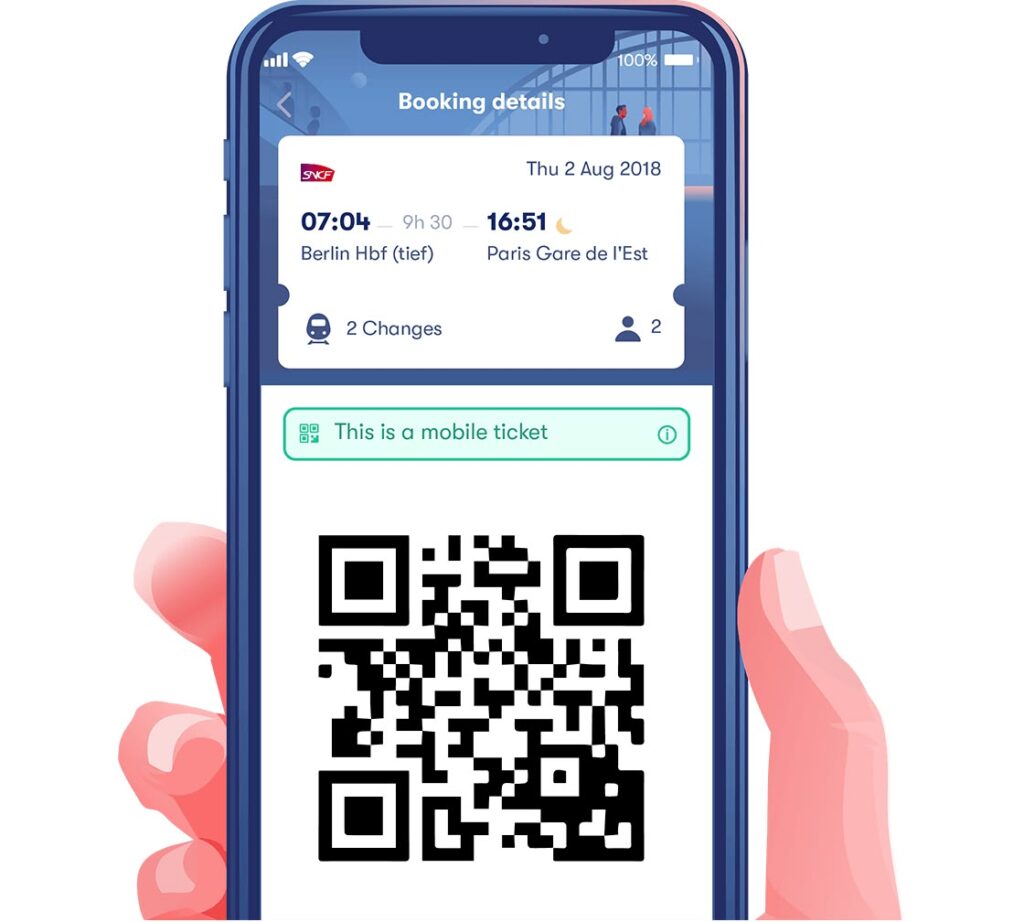
Rather than printing multiple tickets and carrying pages of booking confirmations, many modern travelers prefer having their travel information accessible digitally.
Omio’s platform and mobile app help users manage searches and bookings from their devices, making it easier to keep travel plans organised.
For travelers moving between multiple cities, having booking information in one accessible place can reduce some of the stress that comes with managing different tickets.
What Makes Omio Convenient?
The appeal of Omio isn’t necessarily that it changes transportation itself.
Trains still follow their schedules. Flights still have boarding gates. Buses still deal with traffic.
What Omio changes is the search and comparison process.
Some of the main conveniences include:
- Comparing different transportation types
- Searching routes from one platform
- Viewing travel times and departure options
- Exploring different price points
- Booking multiple journey types
- Accessing travel information digitally
- Reducing the need to visit multiple booking websites
For travelers who value convenience, this can make the planning stage feel more organised.
But Don’t Book Without Checking the Details
Convenience should never replace careful booking.
Before purchasing any travel ticket, always check the important details.
Pay attention to:
- Cancellation policies
- Refund conditions
- Luggage allowances
- Ticket flexibility
- Departure stations or airports
- Transfer requirements
- Total journey duration
This is especially important when comparing transport options.
A cheaper ticket may come with restrictions that don’t suit your plans.
Similarly, the fastest route may involve an inconvenient connection.
Omio can make comparison easier, but the final decision should still match your travel priorities.
Who Is Omio Best For?
Omio can be particularly useful for travelers who like comparing options before booking.
It may suit:
The Budget Traveler
Someone looking to compare different transportation methods and find an option that fits their budget.
The City Hopper
A traveler visiting several destinations and needing to coordinate different journeys.
The First-Time European Traveler
Someone unfamiliar with local train, bus, and transport networks.
The Busy Planner
A person who doesn’t want to spend hours switching between multiple websites.
The Flexible Traveler
Someone willing to compare travel times, prices, and transportation methods before deciding.
The platform may be less essential for travelers who already know exactly which airline or train operator they want to use.
But for comparison-focused planning, it can be a useful starting point.
The Real Benefit: Less Searching, More Deciding
The biggest challenge in modern travel isn’t always finding information.
There is almost too much information.
Search engines, airline websites, train operators, bus companies, comparison platforms—travelers have endless choices.
The problem becomes organising those choices.
Omio’s value lies in helping simplify that first stage.
Instead of manually checking multiple transportation websites, travelers can begin by comparing available options in one place.
That doesn’t mean you should book blindly.
It simply means you can spend less time searching and more time deciding what works best for your journey.
Final Thoughts: Is Omio Worth Using?
Trip planning doesn’t need to involve ten open tabs and a spreadsheet full of departure times.
For travelers comparing flights, trains, buses, and other transportation options, Omio provides a convenient place to begin.
Its biggest strength is flexibility.
You’re not immediately locked into one type of travel. You can compare different ways to reach your destination and choose based on what matters most to you—whether that’s price, speed, convenience, or fewer connections.
The smartest travel booking isn’t always about finding the absolute cheapest ticket.
Sometimes, it’s about finding the journey that makes the most sense.
And if one platform can help you compare those options without constantly switching between travel websites, that’s already a step toward easier trip planning.
Search less, compare smarter, and spend more time looking forward to the journey with Omio.


